When not to choose a remote destination
The photos are beautiful, and you are quietly wondering how your parents would eat and pray there.
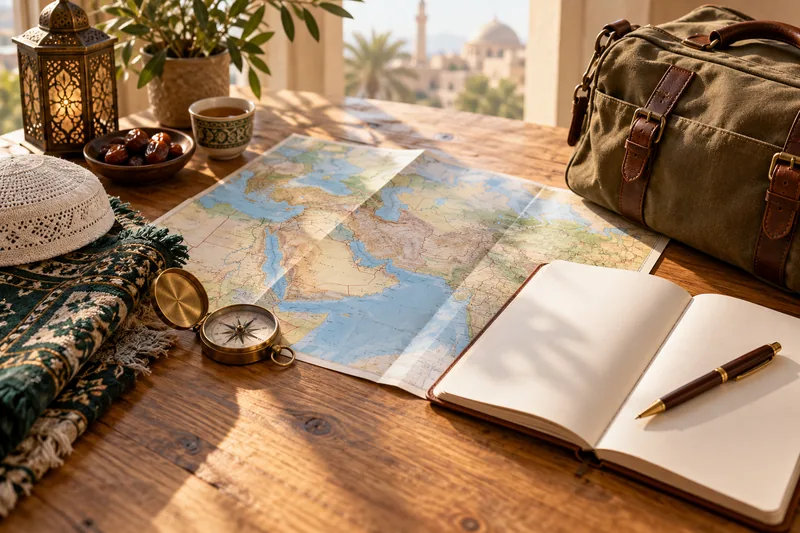
A remote destination is the wrong fit when your needs cannot be met before you arrive: elderly parents who need steady medical access, strict halal needs with no checked food, or a day that depends on a nearby mosque. If any of these describe you, a nearer base is a better holiday, not a smaller one. Here is the honest list.
Which situations make remote travel the wrong choice?
- Parents with mobility or medical needs. Long transfers and distant clinics turn small problems into big ones.
- Strict halal needs with no verified food. A small place may have one or two places to eat, all unchecked.
- A day that depends on a mosque. If you want to pray in congregation, a remote base may not offer it.
- Children who need steady routines. Long transfers and unfamiliar food wear them out fast.
- A short trip. Remote travel spends your days on getting there.
- A tight budget with no slack. A missed ferry or flight can cost a night you did not plan for.
What does each risk look like on the ground?
| Situation | The risk | A better option |
|---|---|---|
| Elderly parents | Distance from care, long transfers | A city or town base with day trips |
| Strict halal | One or two unchecked places to eat | Base near certified or known options |
| Prayer in a mosque | No nearby mosque or prayer room | A town with a mosque, or a quiet room at the lodging |
| Children | Fatigue and unfamiliar food | A resort town with a pool and known meals |
| Short trip | Most time spent travelling | A closer destination |
| Fixed budget | A missed connection costs extra | A trip with fewer legs |
Why does halal food get harder when the place is small?
In a large city you can compare many restaurants and read their claims. In a small place the choice shrinks, and you may have to accept what is offered. JNTO says no central agency accredits halal in Japan, so each provider’s claims need checking2, and a restaurant calling itself halal-friendly may not have a separate halal-only kitchen3. Remote stays add one more problem: nobody nearby to ask.
Our guide on mountain and village stays covers the food plan in detail.
Will you find a place to pray?
Not always near the sights. JNTO says prayer rooms and mosques are mostly in larger cities, and that major airports, tourist hotspots and Muslim-friendly hotels are increasingly offering places to pray1. That describes Japan, but the pattern is common: services cluster where visitors are many.
Before you choose, ask the lodging for a clean room, a qibla direction and a place to wash for wudu. If it cannot give you those, the place does not suit a multi-day stay. For a fiqh question on shortening or combining prayers while travelling, ask your own ustaz or your state mufti office.
What if something goes wrong?
A small island or a mountain village has fewer flights, fewer ferries and fewer clinics. Read small-island trips: medical and flight fallback planning before you commit. Ask yourself what you would do if the last ferry cancelled, and whether your parents could manage the extra night.
Is there a middle path?
Yes. A comfortable town with a day trip to the remote sight gives you the view without the risk. Our guide to city-based or remote-resort holidays helps you choose, and big city versus small town shows how halal and prayer access shift.
Your next step
Write the one thing you cannot compromise on, then test the remote place against it. Use the prayer-stop itinerary checklist to see how the days would run. For the wider decision, return to choosing where to go.
Tell us who is travelling, what worries you most, and the remote place you are drawn to, and we will help you test it against a nearer alternative before you pay.
Common questions
Are remote destinations bad for Muslim travellers?
No. They are a poor fit only when your needs cannot be met in advance. A traveller who is flexible on food, can pray in a room, and has no medical needs may enjoy a remote trip very much. The danger is choosing a place for its photos, then finding the basics are missing.
How do I know if my parents can handle a remote trip?
Look at their mobility, their medicines and how they feel about missing a prayer window. If any of these worry them, choose a base with a clinic, a mosque and a flat walk to meals. A slower, closer trip is still a good trip.
What is the biggest food risk in a remote area?
Having only one or two places to eat, all unverified. In a big city you can compare options. In a small place you may have to accept what is offered. Plan fallback food, and ask the lodge to confirm the menu in writing before you go.
Can I pray normally on a remote trip?
Usually yes, if your lodging gives you a clean room and a qibla direction, but you cannot count on a mosque or prayer room nearby. Mosques and prayer rooms cluster where visitors are numerous, so a remote place may have none. Check the lodging before you book, not after you arrive.
What if only one person wants the remote trip?
Split the route. Spend a few days in the remote place with the person who wants it, then base the rest of the group in a town with services. Or choose a middle option, such as a comfortable town with a day trip to the remote sight.
Sources
- JNTO says prayer rooms and mosques are mostly in larger cities, with major airports, tourist hotspots and Muslim-friendly hotels increasingly offering places to pray. JNTO (japan.travel), Muslim travelers
- Japan National Tourism Organization's Muslim travellers page states there is no central agency for halal accreditation in Japan, so travellers should check each provider's claims. JNTO (japan.travel), Muslim travelers
- JNTO notes that restaurants calling themselves halal-friendly may not have a separate halal-only kitchen, and that alcohol is served in most Japanese restaurants. JNTO (japan.travel), Muslim travelers
Keep planning
Tell us who is travelling, what worries you most, and the remote place you are drawn to, and we will help you test it against a nearer alternative before you pay.