Lard, mirin, cooking wine, gelatine: the hidden list
The menu looks harmless, and you want to know which ingredients to look for before you order.
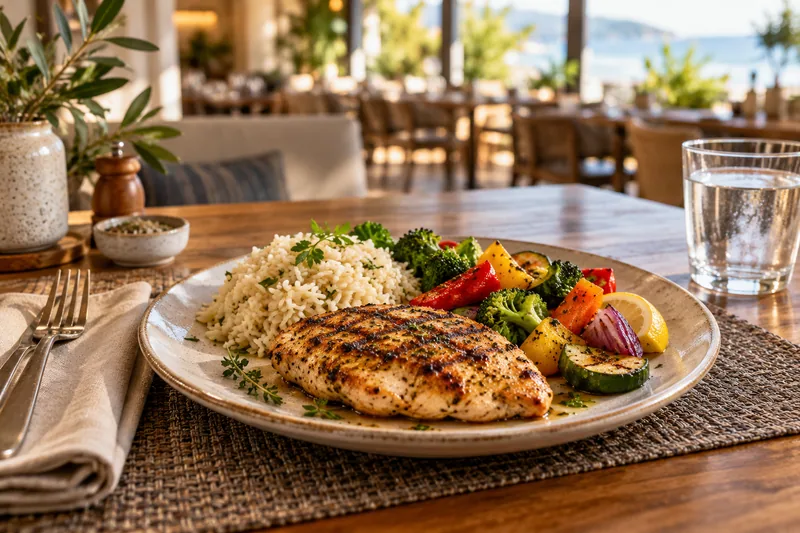
Five ingredients cause most of the surprises on an Asian menu: lard, cooking wine or sake, mirin, gelatine and meat-based stock. They hide in sauces, marinades, desserts and snacks, not only in the main dish. This page puts them in one place, so you can recognise them in eight cuisines.
Where your own line sits is yours to decide. For a fiqh question, ask your own ustaz or your state mufti office.
What am I looking for?
- Lard: pork fat, used to fry, to flavour rice and to make pastry.
- Cooking wine and sake: alcohol added to remove smell and soften meat or fish.
- Mirin: a sweet cooking liquor from Japan, used in glazes and simmered dishes.
- Gelatine: a gel from animal bones or skin, which can be pork-based, used in jellies, sweets and some desserts.
- Meat stock and extract: pork-bone broth or extract powder, used as the base of soups, sauces and noodles.
JNTO warns that cooking sake and mirin are used in Japanese dishes, and that some miso contains alcohol unless it is labelled additive-free1.
Which ingredient hides where, cuisine by cuisine?
| Cuisine | Ingredient to recognise | Where it shows up | Words to look for |
|---|---|---|---|
| Japanese | Mirin, cooking sake, lard, pork extract | Glazes, dipping sauces, ramen broth, curry roux | みりん, 料理酒, ラード |
| Korean | Mirim, rice wine, lard, meat stock | Marinades, stews, set-course drinks | 미림, 술, 라드 |
| Chinese | Shaoxing wine, lard, pork stock | Braises, stir-fries, dumpling fillings | 料酒, 绍兴酒, 猪油 |
| Taiwanese | Rice wine, lard, sesame-oil soups | Soups, braised rice, vegetarian braises | 米酒, 豬油 |
| Thai | Lard, pork slices in pots, liquor in stir-fries | Fried rice, pot dishes, garnishes | หมู, น้ำมันหมู |
| Vietnamese | Rice wine, lard, pork-based cold cuts | Marinades, noodle toppings, fermented rice desserts | rượu, mỡ |
| Indian | Gelatine, rum, shared fat | Desserts, cakes, mixed kitchens | gelatin, rum |
| Sri Lankan | Arrack, pork curries in mixed menus | Cakes, devilled dishes, bars | arrack |
The table is a starting point, not a full list. Each cuisine has more dishes than fit here.
How do I ask without knowing the language?
Use the same four questions in any country. Show them on your phone or build them into one message with the dietary enquiry brief generator.
- “Is any lard, pork fat or pork stock in this dish?”
- “Is any wine, sake, mirin or other alcohol used in the cooking?”
- “Is there gelatine in this dessert or sweet?”
- “Is the stock made from meat?”
What if the answer is unclear?
Treat the dish as unknown, and choose a plain steamed or grilled item with few ingredients. Our five halal claim states give you a way to label each place on your route. A restaurant that is pork-free but unchecked is explained in pork-free versus halal.
Where do the sweets and snacks fit in?
Gelatine and lard also hide in bakeries and packaged snacks. See bakeries and desserts abroad for sweet treats, and vegetarian food and its hidden risks for dishes sold as meat-free.
Your next step
Copy the table into your trip notes for the countries you will visit. Then use the meal-assurance comparison tool to compare tour or hotel meal offers against your own rule. For the rest of the food checks, see the halal food hub.
If you are heading to a cuisine you do not know well, send us the country and your own meal rule and we will help you shortlist the ingredients that matter most.
Common questions
What are the most common hidden ingredients in Asian cooking?
Lard, cooking wine or sake, mirin, gelatine and meat-based stock or extract. They appear in sauces, marinades, stocks, desserts and snacks, not only in main dishes. The table on this page names them in eight cuisines, with the local word and the question to ask.
Is a pork-free menu enough?
It removes pork from the menu but not from the kitchen. Lard, pork-bone stock, wine and shared equipment can all sit behind a pork-free menu. Use the questions on this page to find out, and decide by your own standard.
Do I need to learn local words?
No. Learn the ingredient names in the table, or show them from your phone. A short written question in the local language is clearer than a spoken one, and the dietary enquiry brief generator can build one for you.
What about soy sauce and vinegar?
Both are fermented, and opinions differ on how to treat the trace alcohol that may come from fermentation. That is a question for your own ustaz or state mufti office. We name it so you can decide your line before the trip, not at the table.
What if the staff do not know what is in the dish?
Treat the dish as unknown. Unknown is not a bad restaurant, only one where nobody has shown evidence. Choose a plain steamed or grilled item, a certified place, or a packaged item with a label you can read.
How is a hidden ingredient different from a halal certificate?
A certificate covers a premises or product under a recognised body's rules. Spotting ingredients is a fallback for places without one. Use it for decisions at the counter, and prefer a certificate you can see when one is available.
Sources
- JNTO warns that cooking sake and mirin are used in many Japanese dishes, and some miso contains alcohol unless labelled additive-free (mu-ten-ka). JNTO (japan.travel), Muslim travelers
Keep planning
If you are heading to a cuisine you do not know well, send us the country and your own meal rule and we will help you shortlist the ingredients that matter most.